What to Wear to Your Citizenship Interview, Biometrics Appointment and Oath Ceremony
USCIS pages set no dress code, but your biometrics photo may go on your certificate. Simple advice for each appointment and what not to bring.
By the Citizo Team5 min read
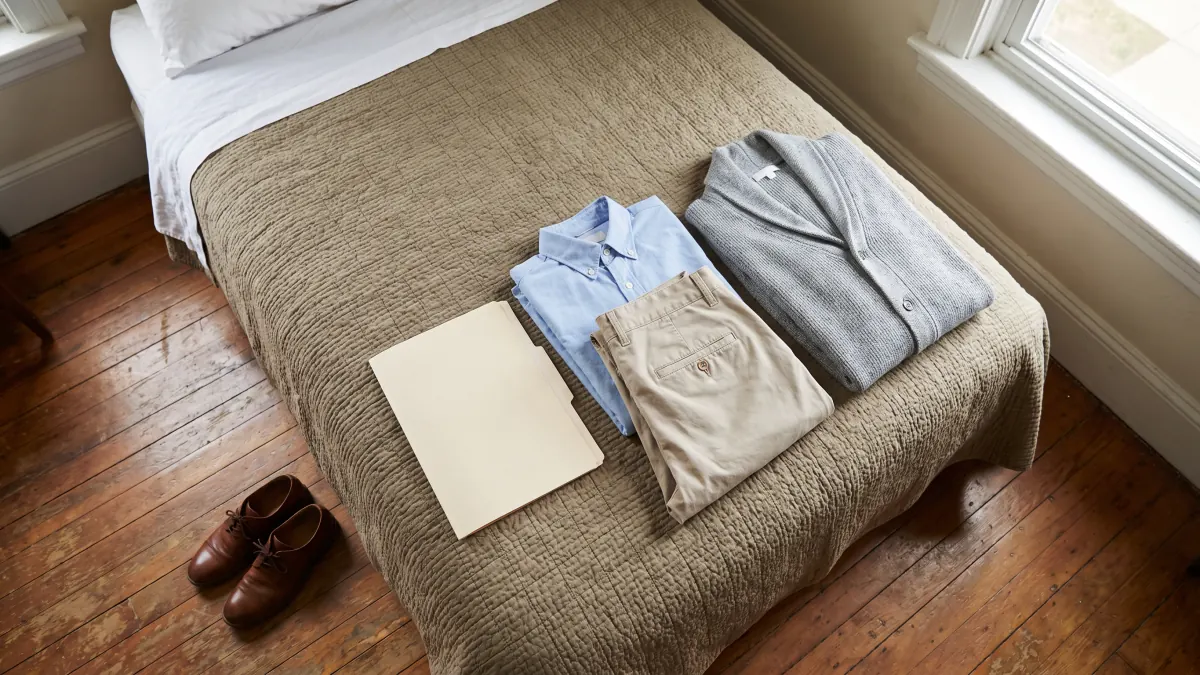
In short
- The USCIS pages about the interview and the ceremony that we read do not set a dress code.
- One official detail matters: USCIS may use the photo from your biometrics appointment on your Certificate of Naturalization. USCIS recommends that you wear clothes that are acceptable for that certificate on the day of biometrics.
- For the ceremony, USCIS points to the rules on items prohibited on federal property. Some items are not allowed.
- Beyond that, our advice is simple: clean, neat and comfortable, as you would dress for an important appointment.
People often worry about clothes more than about the test. This guide separates what USCIS actually says from our practical advice, so you know which is which.
In this guide
What USCIS says
| Appointment | What the official sources say |
|---|---|
| Biometrics | USCIS may use the photo taken there on your Certificate of Naturalization. It recommends that you dress in clothes that are acceptable for display on the certificate. It will not reject a photo only because you want to change how it looks on the certificate. |
| Interview | The USCIS pages list documents to bring, not clothes. |
| Oath ceremony | The USCIS pages say to complete Form N-445 before you arrive, return your Green Card and review your certificate. They point to the Federal Protective Service for items prohibited on federal property. |
Our advice for each day
These are suggestions from the Citizo Team, not USCIS rules.
Biometrics appointment
Because this photo may go on your certificate, dress as you would for an ID photo you will keep for life. A plain shirt or blouse with a collar or a simple neckline works well. If your religion asks you to cover your head, the M-477 checklist says your face must still be visible in photos for identification.
Interview
- Wear clean, neat clothes you feel comfortable in. Business casual is a safe choice: trousers or a skirt, and a shirt or blouse.
- Choose comfortable shoes. You may wait and walk.
- Bring a light sweater. Waiting rooms can be cold.
- Avoid clothes with large slogans or images. The officer should focus on your answers.
Oath ceremony
The ceremony is a public event and many people bring family. Many people dress a little more formally because it is a special day and there are photos. Wear something you will be happy to see in those photos.
Before you leave home, step by step
- Read your appointment notice again for the address, time and any special instructions.
- Put your documents in one folder: notice, Green Card, state ID, passports and travel documents.
- Leave items that could cause problems at security at home. Each federal building has its own list. Weapons (including pepper spray, mace and stun guns) and illegal drugs are always prohibited, and some buildings also prohibit other items.
- Plan to arrive early, so a security check or a long line does not make you late.
- Eat something and bring water if the building allows it. Some appointments take a long time.
What not to bring
The Federal Protective Service says each federal facility can have its own list of prohibited items. It also says it is illegal to enter a federal facility with weapons, explosives or illegal drugs, even where the state allows them. It treats mace, pepper spray and stun guns as dangerous weapons that are not allowed, and a federal building cannot make an exception. The DHS rules for conduct on federal property also prohibit having or using controlled substances there, unless a licensed provider prescribed them. Some buildings also prohibit everyday items, such as sports equipment. If you are not sure, leave it at home or check with the office in your notice.
The rest matters more than clothes
What decides your case is your N-400, your documents and your tests, not your clothes; see the N-400 steps. Spend your preparation time on interview questions and on the civics and English tests. Citizo can help with flashcards, a practice test where you hear each question and answer out loud, and reading and writing. When your case is approved, read what to expect at the oath ceremony.
Frequently asked questions
Do I have to wear a suit?
No. We found no USCIS rule about suits. Neat, clean clothes are enough. Wear a suit only if you want to.
Can I wear religious clothing?
The USCIS pages we read do not prohibit it. For photos, the M-477 checklist says that if your religion requires a head covering, your face must still be visible.
Can my family come to the interview?
The interview is about you and your application. Check your notice. The oath ceremony is a public event, and many people bring family to it.
Can I bring my phone?
Each building sets its own rules. Check your notice or ask the office. Keep your phone silent during the interview.
About this guide
This guide is general information, not legal advice. For questions about your own case, talk to an immigration attorney or an accredited representative. Citizo is an independent app. It is not part of the U.S. government and has no connection to USCIS. The official information is at uscis.gov. Written by the Citizo Team. Facts checked on October 29, 2026.
Sources
- USCIS, N-400, Application for Naturalization (Biometrics)checked October 29, 2026
- USCIS, Naturalization Ceremonieschecked October 29, 2026
- USCIS, Naturalization: What to Expect (myUSCIS)checked October 29, 2026
- USCIS, Document Checklist, M-477checked October 29, 2026
- Department of Homeland Security, Federal Protective Service, FAQ Regarding Items Prohibited from Federal Propertychecked October 29, 2026
- Department of Homeland Security, 6 CFR Part 139, Conduct on Federal Property (section 139.45)checked October 29, 2026
- USCIS, Welcome to the United States: A Guide for New Immigrants, M-618 (rev. 09/15)checked October 29, 2026